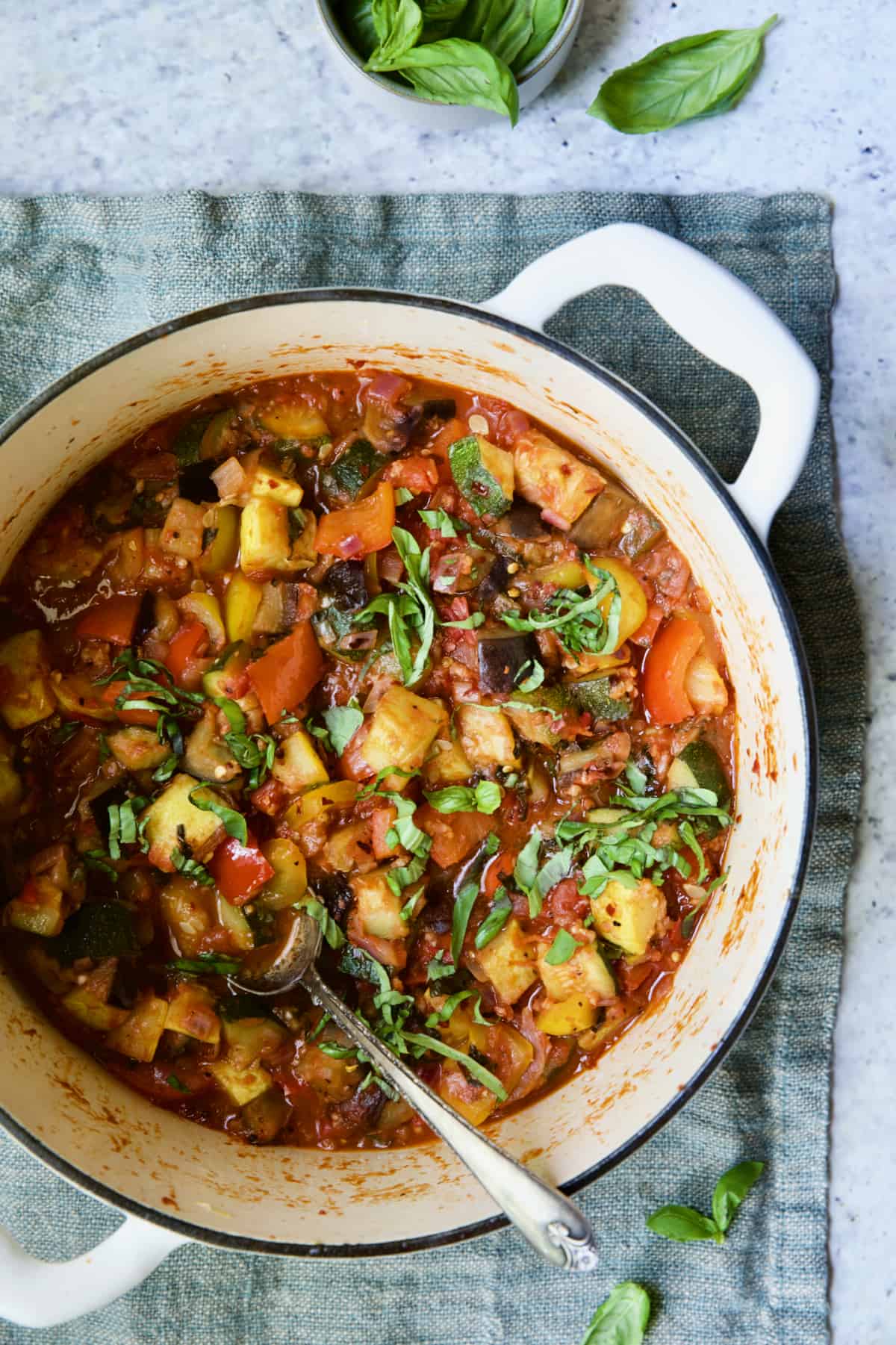
The delightful charm of a classic French ratatouille has a way of captivating hearts and palates, sometimes with a little help from a famous animated rat. Beyond its cinematic fame, this vibrant summer stew is a testament to the beauty of simple, garden-fresh ingredients transformed into something truly extraordinary. If you’re searching for a versatile, healthy, and incredibly flavorful addition to your culinary repertoire, mastering a traditional ratatouille recipe is an absolute must.
More than just a dish, ratatouille embodies the essence of Provençal cooking: celebrating the bounty of late summer vegetables with a rustic elegance. Its rich, savory depth, combined with its striking visual appeal, makes it a favorite among vegetarians and meat-eaters alike. Whether you're looking for a wholesome main course, a sophisticated side dish, or an impressive make-ahead meal, this iconic French stew delivers on all fronts.
The Humble Origins of a French Classic
To truly appreciate the magic of ratatouille, it helps to understand its roots. This iconic dish hails from the sun-drenched region of Provence, particularly Nice, in the south of France. Traditionally, ratatouille was a humble peasant dish, a practical and delicious way for farmers to utilize the abundant harvest of summer vegetables. It wasn't designed for fancy plating or elaborate techniques; rather, it was about simmering fresh produce together to create a comforting, hearty stew.
This origin story is crucial because it underscores the most vital component of any successful ratatouille recipe: the freshness of your ingredients. Imagine a bustling Provençal market, overflowing with ripe, glossy eggplants, firm zucchini, sweet bell peppers, and succulent, sun-ripened tomatoes. These are the stars of the show, and their quality directly impacts the final flavor and texture of your dish. When you start with peak-season vegetables, the stew naturally develops a profound, savory depth, requiring minimal seasoning to coax out its inherent deliciousness.
Choosing ripe, firm, and vibrant produce isn't just about aesthetics; it's about the very soul of the dish. Fresh vegetables contain more natural sugars and robust flavors, which caramelize beautifully during cooking and contribute to that rich, umami-packed sauce without the need for heavy creams or excessive fats. This emphasis on fresh, seasonal ingredients makes ratatouille not just a meal, but an experience that transports you straight to the heart of the French countryside.
Deconstructing the Perfect Ratatouille Recipe: Essential Ingredients
While the exact ratios might vary, a classic ratatouille recipe typically features a core group of ingredients, each playing a crucial role in creating its balanced flavor profile and visual appeal. Think of it as a symphony of summer's best:
- Eggplant: Often the first vegetable to catch the eye, a deep purple eggplant adds substance and a beautiful color. Choose one that is firm and heavy for its size.
- Zucchini: These versatile green squash bring a delicate texture and mild sweetness. Look for medium-sized, firm zucchini.
- Bell Peppers: To add vibrant color and a sweet, peppery note, both red and yellow bell peppers are excellent choices. They contribute significantly to the dish's visual allure.
- Tomatoes: The heart of the sauce! For the stewed base, crushed or diced ripe tomatoes are essential, providing that sublime, tangy foundation. For a more elaborate presentation, fresh, firm slicing tomatoes can be arranged with the other vegetables.
- Onion & Garlic: The aromatic backbone. Sautéed to golden perfection, these provide a pungent, savory depth that grounds the entire dish.
- Herbs: Fresh basil and parsley are non-negotiable, bringing out the natural flavors of the vegetables. Consider adding a sprig of fresh thyme or a bay leaf to the sauce for an even more authentic Provençal touch.
- Olive Oil: A signature fat, and a quality extra virgin olive oil is key for sautéing the aromatics and brushing over the arranged vegetables. It imparts a crucial richness and authentic Mediterranean flavor.
- Seasoning: Simple sea salt and freshly ground black pepper are all that's truly needed. A pinch of sugar can help balance the acidity of the tomatoes if they are particularly tart.
When selecting your produce, remember the Provençal philosophy: Master Easy Ratatouille: Fresh Summer Flavors in 20 Minutes by choosing vegetables that look and feel their best. Avoid anything soft, bruised, or past its prime. The success of your ratatouille hinges on this fundamental step.
Crafting Your Ratatouille: Beyond the Basic Steps
Despite its sophisticated appearance, a traditional ratatouille recipe is surprisingly straightforward to prepare. The main investment of time is in the food preparation, or "mise en place," slicing all those beautiful vegetables. But once that's done, the cooking process is largely hands-off, allowing you to relax while your kitchen fills with intoxicating aromas.
The Two Main Approaches: Rustic Stew vs. Elegant Confit Byaldi
There are generally two popular ways to make ratatouille:
- The Rustic Stew: This is the traditional method, where all the vegetables are chopped into bite-sized pieces and stewed together. Some recipes suggest cooking each vegetable separately before combining them to preserve their individual textures, but a simpler approach involves adding them sequentially to the pot, starting with those that take longer to cook.
- The Confit Byaldi (Disney-Style): Made famous by the movie "Ratatouille," this version involves thinly slicing the vegetables (eggplant, zucchini, tomatoes, bell peppers) and arranging them decoratively in a spiral pattern over a bed of tomato sauce. This method is visually stunning and results in beautifully tender, distinct vegetable slices.
Our featured approach leans towards the latter, offering a presentation that is as enticing as the flavors. Here’s a simplified breakdown of the general process:
- Prepare the Sauce: Begin by sautéing your diced onion and minced garlic, perhaps with a shredded carrot for added sweetness, until tender. Stir in your crushed tomatoes, fresh herbs, and seasonings, then let it simmer gently. This allows the flavors to meld and the sauce to thicken into a rich base. Taste and adjust seasonings as needed.
- Arrange the Vegetables: Once your sauce is ready, spread it evenly into a baking dish. This is where the artistry comes in! Thinly slice your eggplant, zucchini, bell peppers, and fresh tomatoes. Arrange them in alternating, overlapping circles or rows over the sauce. The visual impact of this colorful mosaic is truly something to behold.
- Bake to Perfection: Drizzle the arranged vegetables generously with olive oil and season lightly. Cover the dish with foil or parchment paper and bake until the vegetables are tender, and the flavors have fully melded. Uncover for the last part of the baking process to allow the top to slightly caramelize.
The beauty of this slow baking process is that it allows the vegetables to release their juices, creating an incredibly flavorful broth within the sauce, while also achieving that perfect tender-but-not-mushy texture.
The Incredible Versatility and Make-Ahead Magic
One of the most appealing aspects of ratatouille, beyond its taste, is its remarkable versatility once cooked. It's a dish that truly improves with age, making it an ideal candidate for meal prepping or entertaining.
- Warm Main Course: Serve it as a hearty, satisfying main dish on its own, perhaps with a generous slice of crusty French bread to soak up every last drop of the delicious sauce.
- Accompaniment: It makes an excellent side dish for grilled fish, roasted chicken, or lamb.
- Over Grains or Pasta: Spoon warm ratatouille over fluffy rice, creamy polenta, quinoa, or your favorite pasta for a complete and wholesome meal.
- Cold or Room Temperature: Unlike many dishes, ratatouille is delightful served cold or at room temperature the next day. This makes it perfect for picnics, packed lunches, or as part of an antipasto platter. Many connoisseurs even argue that the flavors deepen and harmonize further after resting overnight.
- Creative Applications: Use leftover ratatouille as a topping for bruschetta, a filling for omelets or savory crepes, or mixed into a frittata.
Its ability to be prepared in advance without compromising flavor or texture is a huge bonus for busy home cooks. You can easily make a large batch and enjoy it throughout the week, knowing that each serving will be as delicious, if not more so, than the last. For more on how to leverage this aspect, explore our tips on Healthy Vegetarian Ratatouille: Your Perfect Make-Ahead Meal Prep.
Conclusion: Embrace the Summer Bounty
A classic French ratatouille is far more than just a vegetable stew; it's a culinary celebration of summer's peak. It's a dish that connects us to simple traditions, emphasizes the power of fresh, quality ingredients, and offers incredible flexibility for any meal. Whether you’re drawn to its rustic charm or its elegant presentation, a well-made ratatouille recipe is a nutritious, flavorful, and deeply satisfying experience. So, head to your local farmer's market, gather the season's finest, and embark on your own delicious journey with this timeless Provençal delight. Bon appétit!
